
Geri Dönüşüm Bir Mucize Değil,
1 Mart 2026
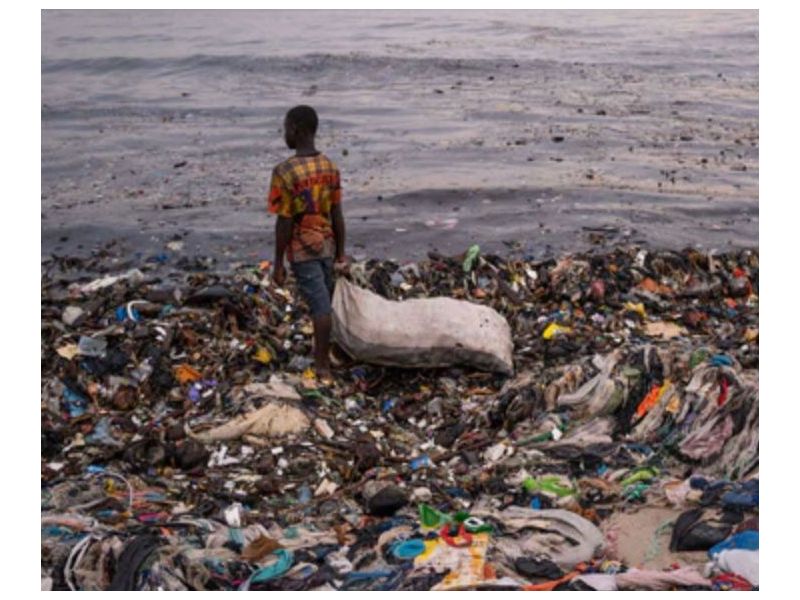
Bir giysiyi geri dönüştürmek umut verici geliyor. İlerleme gibi hissettiriyor. Döngüyü kapatıyormuşuz gibi.
Birçok insan basit bir yolculuk hayal eder: eski kıyafetler yeni kıyafetler olur ve sorun çözülür. Keşke bu kadar basit olsaydı.
Gerçekte, kullanılmış bir giysi karışık lifler, fermuarlar, düğmeler, boyalar, apreler ve uzun bir kullanım geçmişiyle gelir. Geri dönüştürülmeden önce, dikkatlice ayrıştırılmalı, parçalara ayrılmalı, parçalanmalı ve tekrar işlenmelidir. Her adımda, biraz kalite kaybı olur.
Pamuk lifleri kısalır. Polyester zayıflar. Modern modaya hakim olan karışık kumaşları ayırmak son derece zordur. Ortaya çıkan şey genellikle yeni kumaş değil, yalıtım veya dolgu için kullanılan daha düşük kaliteli malzemedir.
Bu bir başarısızlık değil. Bu sadece sistemin mevcut sınırıdır.
Asıl zorluk geri dönüşüm teknolojisi değil. Giysilerin baştan nasıl tasarlandığıdır. Çoğu parça, özenle parçalara ayrılmak için değil, hızlıca satılmak için üretilmiştir.
Gerçek anlamda döngüsel bir ekonomi istiyorsak, daha erken başlamalıyız: daha az karışım kullanarak, daha net malzeme verileriyle ve kullanım ömrünün sonunu göz önünde bulundurarak tasarım yapmalıyız.
Geri dönüşüm önemlidir.
Ancak ürün geri dönüşüm için üretildiğinde en iyi sonucu verir.
Yeni nesil malzeme üreticisi Oleatex ile karşılaştım. Oleatex, moda endüstrisi için bitki bazlı, %100 vegan ve sürdürülebilir bir deridir. Ödüllü bir formülle biyolojik atıklardan üretilmiştir. Muhteşem tasarımcılar bunu koleksiyonlarında kullandı. Ganni de bunlardan biri.